
Transforming Empty Buildings Into Data Centers: A Smart Infrastructure Solution for the Digital Age
By AIBlogMax - 19/03/2026 - 0 comments
As cities across America grapple with unused commercial real estate, an innovative solution is emerging that could transform vacant buildings into critical digital infrastructure. The concept of converting abandoned or underutilized structures into data centers presents a compelling opportunity that addresses multiple challenges simultaneously: the growing demand for computing resources, the need for sustainable urban development, and the infrastructure requirements of modern businesses relying on cloud computing and AI technology.
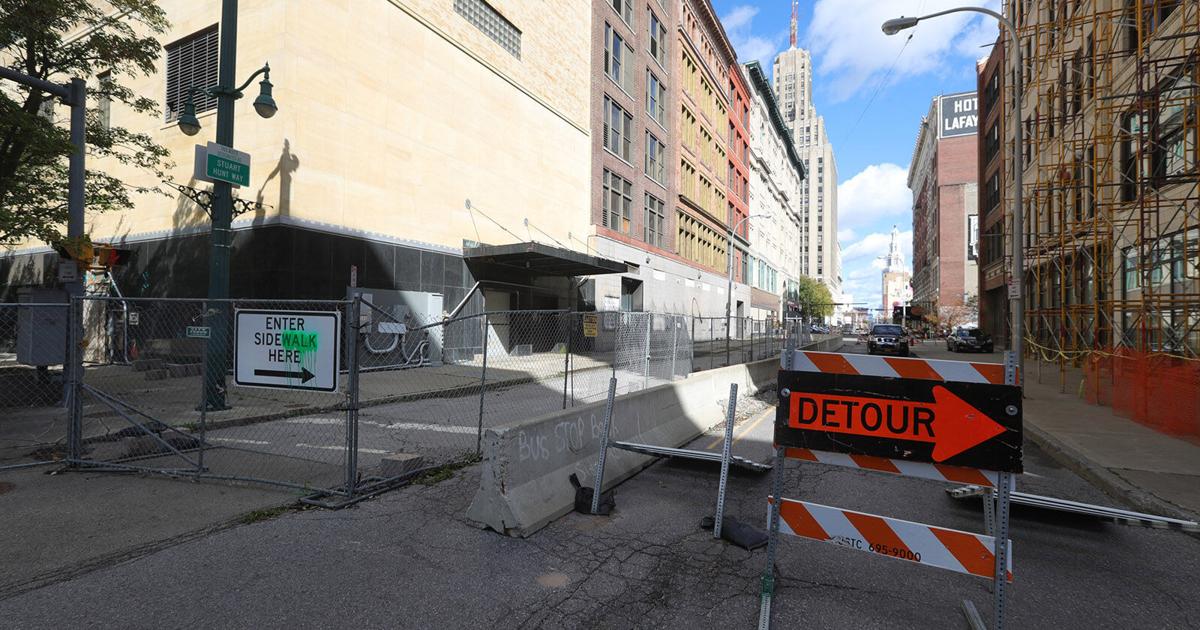
The idea is elegantly simple yet profoundly impactful. Historic buildings that once served as retail landmarks or manufacturing facilities already possess the fundamental infrastructure needed for data center operations. With existing power and water connections, reinforced structures capable of supporting heavy equipment, and often prime locations with excellent connectivity options, these buildings represent ready-made solutions for housing the server racks, cooling systems, and network equipment that power today's digital economy.
The Infrastructure Advantage of Repurposing Existing Buildings
When considering the requirements for modern data centers that support Microsoft 365, AWS Azure, and other cloud platforms, the infrastructure demands are substantial. Data centers require reliable electrical power, robust cooling systems, redundant internet connectivity, and physical security. Retrofitting an existing commercial building with these capabilities is often more cost-effective and faster than constructing a new facility from the ground up.
Climate plays a crucial role in data center efficiency. Cooler regions offer a natural advantage for managing the tremendous heat generated by thousands of servers running continuously. This geographical benefit translates directly into reduced cooling costs and improved energy efficiency—critical factors for MSPs (Managed Service Providers) and enterprises operating these facilities. The cooling requirements for modern data centers are substantial, particularly as AI in Microsoft and other platforms drives increased computational demands.
Moreover, the physical security of an established building with existing perimeter controls, loading docks, and controlled access points provides an excellent foundation for implementing the strict security protocols required for facilities housing sensitive data and critical infrastructure supporting endpoint security and SOC (Security Operations Center) functions.
Supporting Critical Business Functions and Cybersecurity
Modern data centers serve as the backbone for essential business operations, from backup and disaster recovery solutions to real-time threat monitoring. As organizations increasingly adopt zero trust security architectures, the physical infrastructure supporting these digital frameworks becomes even more critical. Converting unused buildings into data centers creates local, resilient infrastructure that can support regional businesses with lower latency and enhanced data sovereignty.
The cybersecurity implications of localized data centers are particularly significant. With ransomware attacks increasing in frequency and sophistication, having geographically distributed data centers allows organizations to implement more robust disaster recovery strategies. AI cybersecurity tools require substantial computational resources for real-time threat analysis and response, making regional data center capacity increasingly important for organizations of all sizes.
Repurposing vacant commercial buildings into data centers creates a win-win scenario: cities revitalize unused properties while simultaneously building the digital infrastructure necessary for economic growth in the age of cloud computing and artificial intelligence.
Key Benefits of Building Conversion for Data Centers
- Reduced construction time compared to ground-up development, accelerating time-to-market for critical infrastructure
- Lower initial capital investment by leveraging existing structural, electrical, and plumbing infrastructure
- Urban revitalization through repurposing vacant or underutilized commercial real estate
- Enhanced sustainability by reducing construction waste and embodied carbon from new building materials
- Natural cooling advantages in temperate climates, reducing operational costs and environmental impact
- Job creation through both construction phase employment and ongoing technical operations roles
- Improved local connectivity and reduced latency for regional businesses and MSP clients
The Role of Data Centers in Modern Tech Ecosystems
As businesses continue their digital transformation journeys, the demand for reliable, secure data center capacity continues to grow exponentially. Organizations adopting Microsoft 365 may require hybrid cloud solutions with local data center components. Companies using AWS Azure services benefit from edge computing capabilities that bring processing power closer to end users. The explosion of AI technology applications, from machine learning models to generative AI tools, requires massive computational resources that must be housed somewhere.
For MSPs serving small and medium-sized businesses, access to reliable local data center infrastructure is essential for delivering services like managed backup, endpoint security monitoring, and SOC capabilities. Converting existing buildings into data centers in mid-sized cities creates opportunities for regional tech ecosystems to flourish without the need for businesses to rely exclusively on distant mega-facilities operated by hyperscale providers.
The implementation of zero trust security frameworks requires continuous verification and monitoring, which benefits from low-latency connections between users and security infrastructure. Local data centers supporting these architectures can validate identities, assess device security postures, and enforce access policies with minimal delay, creating better user experiences while maintaining robust security.
Why This Matters
The convergence of vacant commercial real estate with growing demand for computing infrastructure represents more than just an interesting business opportunity—it's a strategic imperative for communities looking to compete in the digital economy. Cities that proactively facilitate the conversion of unused buildings into data centers position themselves as tech-forward locations capable of supporting modern enterprises.
As AI technology continues advancing and AI in Microsoft products becomes increasingly sophisticated, the computational requirements will only intensify. Organizations need resilient infrastructure that can support their disaster recovery plans while providing the processing power necessary for AI cybersecurity tools to protect against evolving threats like ransomware.
Furthermore, the environmental considerations cannot be overlooked. Repurposing existing structures instead of constructing new buildings reduces environmental impact while creating infrastructure that can be powered by renewable energy sources. The combination of natural cooling advantages in temperate climates with energy-efficient modern equipment creates opportunities for sustainable data center operations that align with corporate environmental commitments.
For communities, the economic benefits extend beyond the initial construction phase. Data centers create high-skilled technical jobs for ongoing operations, maintenance, and security. They attract tech companies and MSPs looking for reliable infrastructure partners. They generate tax revenue from previously vacant properties. Most importantly, they create the digital foundation necessary for local businesses to compete globally while maintaining operations locally.