
The Digital Transformation of Rural America: What Western New York's Broadband Expansion Means for Business Technology in 2026
By AIBlogMax - 21/03/2026 - 0 comments
As rural broadband expansion accelerates across Western New York in 2026, the implications extend far beyond faster internet speeds for streaming and browsing. This infrastructure transformation represents a critical inflection point for how businesses, managed service providers, and agricultural operations approach cybersecurity, cloud computing, and digital resilience in previously underserved communities. For the first time, rural enterprises will have access to the same technology infrastructure that urban businesses have leveraged for years—bringing both tremendous opportunities and significant security challenges.
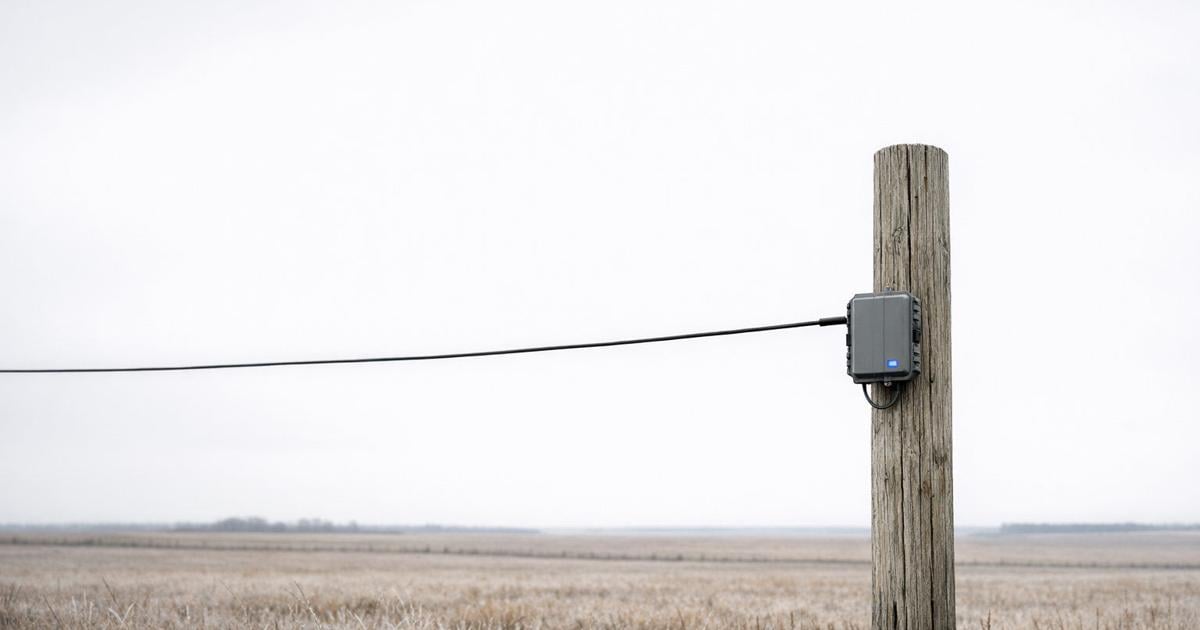
From Pilot Programs to Production Infrastructure
The transition from limited pilot projects to comprehensive, region-wide connectivity marks a fundamental shift in how rural Western New York businesses can operate. Small businesses that previously struggled with unreliable connections can now realistically consider migrating to Microsoft 365 and AWS Azure cloud platforms, enabling remote collaboration, automated backups, and enterprise-grade productivity tools. However, this digital leap forward requires careful planning, particularly around endpoint security and network protection.
For local MSP providers serving the region, 2026 represents both an opportunity and a responsibility. As hundreds of new businesses and farms come online with high-speed connectivity, the demand for managed IT services, security monitoring, and strategic technology guidance will surge. These providers must be prepared to educate clients about the cybersecurity landscape while implementing robust protective measures from day one.
The Cybersecurity Imperative for Newly Connected Communities
With expanded connectivity comes expanded risk. Rural businesses entering the digital mainstream face the same threat landscape that has challenged urban enterprises for years—including sophisticated ransomware attacks that have crippled organizations of all sizes. The agricultural sector, in particular, has become an increasingly attractive target for cybercriminals who recognize that timing-sensitive operations like planting and harvesting create pressure to pay ransoms quickly.
Implementing a zero trust security framework should be a foundational priority for businesses leveraging new broadband infrastructure. This approach, which assumes no user or device should be automatically trusted, provides essential protection as organizations connect previously isolated systems to the internet. Combined with comprehensive endpoint security solutions that protect every device accessing the network, zero trust architecture creates multiple layers of defense against evolving threats.
AI cybersecurity tools have matured significantly and offer particular advantages for resource-constrained rural businesses. These intelligent systems can detect anomalous behavior patterns, identify potential threats in real-time, and automate responses to common security events—all without requiring a large in-house IT team. When integrated with platforms like AI in Microsoft security solutions, these capabilities provide enterprise-grade protection at scales appropriate for smaller operations.
Essential Security Measures for Rural Digital Transformation
Organizations embracing broadband connectivity should prioritize these critical security foundations:
- Backup and disaster recovery: Implement automated, geographically distributed backup solutions that can restore operations quickly after ransomware attacks or infrastructure failures
- SOC monitoring: Partner with managed security providers offering Security Operations Center services to provide 24/7 threat detection and response capabilities
- Multi-factor authentication: Require additional verification beyond passwords for all remote access and cloud platform logins
- Security awareness training: Educate employees about phishing, social engineering, and safe computing practices as the first line of defense
- Network segmentation: Separate critical systems from general business networks to limit potential damage from security breaches
Cloud Migration Opportunities and Challenges
Reliable high-speed internet transforms cloud computing from a theoretical possibility to a practical reality for rural Western New York businesses. Migration to Microsoft 365 provides access to constantly updated applications, sophisticated collaboration tools, and integrated security features that would be prohibitively expensive to implement on-premises. Similarly, AWS Azure infrastructure enables scalable computing resources, advanced analytics capabilities, and flexible storage solutions that grow with business needs.
However, successful cloud adoption requires more than simply signing up for services. Organizations need thoughtful migration strategies that address data sovereignty concerns, ensure compliance with industry regulations, and maintain business continuity throughout the transition. This is where experienced MSP partners become invaluable, providing the technical expertise and strategic guidance necessary to navigate complex decisions about hybrid versus full-cloud architectures, application compatibility, and cost optimization.
The difference between connectivity and true digital transformation lies in how organizations approach security, backup strategies, and disaster recovery planning from the very beginning rather than as afterthoughts.
AI Technology as an Equalizer for Rural Business
The convergence of broadband expansion and advanced AI technology creates unprecedented opportunities for rural businesses to compete on equal footing with urban counterparts. Artificial intelligence applications that once required significant local computing infrastructure can now be accessed through cloud platforms, enabling sophisticated capabilities like predictive maintenance for agricultural equipment, automated customer service, and intelligent inventory management.
AI in Microsoft platforms, including Copilot integrations across the Microsoft 365 suite, provide small businesses with productivity enhancements that previously required dedicated development resources. These tools can draft communications, analyze business data, automate repetitive tasks, and provide insights that inform strategic decisions—all while learning from organizational patterns to become more effective over time.
From a security perspective, AI-powered threat detection represents a game-changing capability for organizations without dedicated security teams. Machine learning algorithms can identify subtle indicators of compromise that human analysts might miss, recognize emerging attack patterns before they fully materialize, and automate responses that contain threats before they spread. This AI cybersecurity approach levels the playing field, providing rural businesses with protection comparable to enterprises with substantial security budgets.
The Disaster Recovery Imperative
As businesses become increasingly dependent on digital systems and cloud connectivity, comprehensive disaster recovery planning becomes non-negotiable. The same broadband infrastructure that enables cloud adoption also creates single points of failure if not properly architected. Organizations need strategies that address both cyber incidents like ransomware attacks and physical disruptions like severe weather events that can affect network infrastructure.
Modern backup solutions go far beyond simple file copying to include application-aware snapshots, continuous data protection, and immutable storage that prevents ransomware from encrypting backup repositories. When combined with tested recovery procedures and clearly defined Recovery Time Objectives (RTOs) and Recovery Point Objectives (RPOs), these systems provide confidence that operations can resume quickly after disruptions of any type.
Why This Matters
The broadband expansion transforming Western New York represents more than infrastructure development—it's a fundamental reimagining of what's possible for rural businesses, farms, and communities. The technology gap that previously limited rural areas to basic connectivity and isolated systems is closing, creating opportunities for innovation, growth, and competitiveness that were previously unavailable.
However, these opportunities come with responsibilities. Organizations embracing digital transformation must simultaneously embrace security, implementing protective measures that match their increased exposure to cyber threats. The partnerships they form with MSP providers, the architectures they design around zero trust principles, and the investments they make in backup and disaster recovery will determine whether this infrastructure expansion becomes a catalyst for sustainable growth or a source of vulnerability.
For technology providers serving the region, 2026 marks the beginning of a multi-year journey to bring rural businesses fully into the digital age. Success will require not just technical expertise but genuine partnership—understanding the unique challenges of agricultural operations, small manufacturers, and rural service businesses while translating complex technology concepts into practical, implementable solutions. The rural digital transformation happening in Western New York offers a blueprint for similar initiatives nationwide, demonstrating how connectivity, security, and strategic technology adoption can revitalize rural economies while managing the inherent risks of an increasingly connected world.