
How Nvidia's Strategic Investment Could Signal the Future of AI Infrastructure and Cloud Security
By AIBlogMax - 21/03/2026 - 0 comments
The artificial intelligence revolution isn't just transforming how businesses operate—it's creating unprecedented opportunities for companies that provide the critical infrastructure powering this transformation. CoreWeave, a specialized cloud computing provider backed by tech giant Nvidia, has announced projections that could see its revenue quadruple by 2027. For managed service providers, cybersecurity professionals, and enterprise IT leaders, this explosive growth trajectory offers valuable insights into where the industry is heading and what technologies will dominate the next generation of cloud computing.
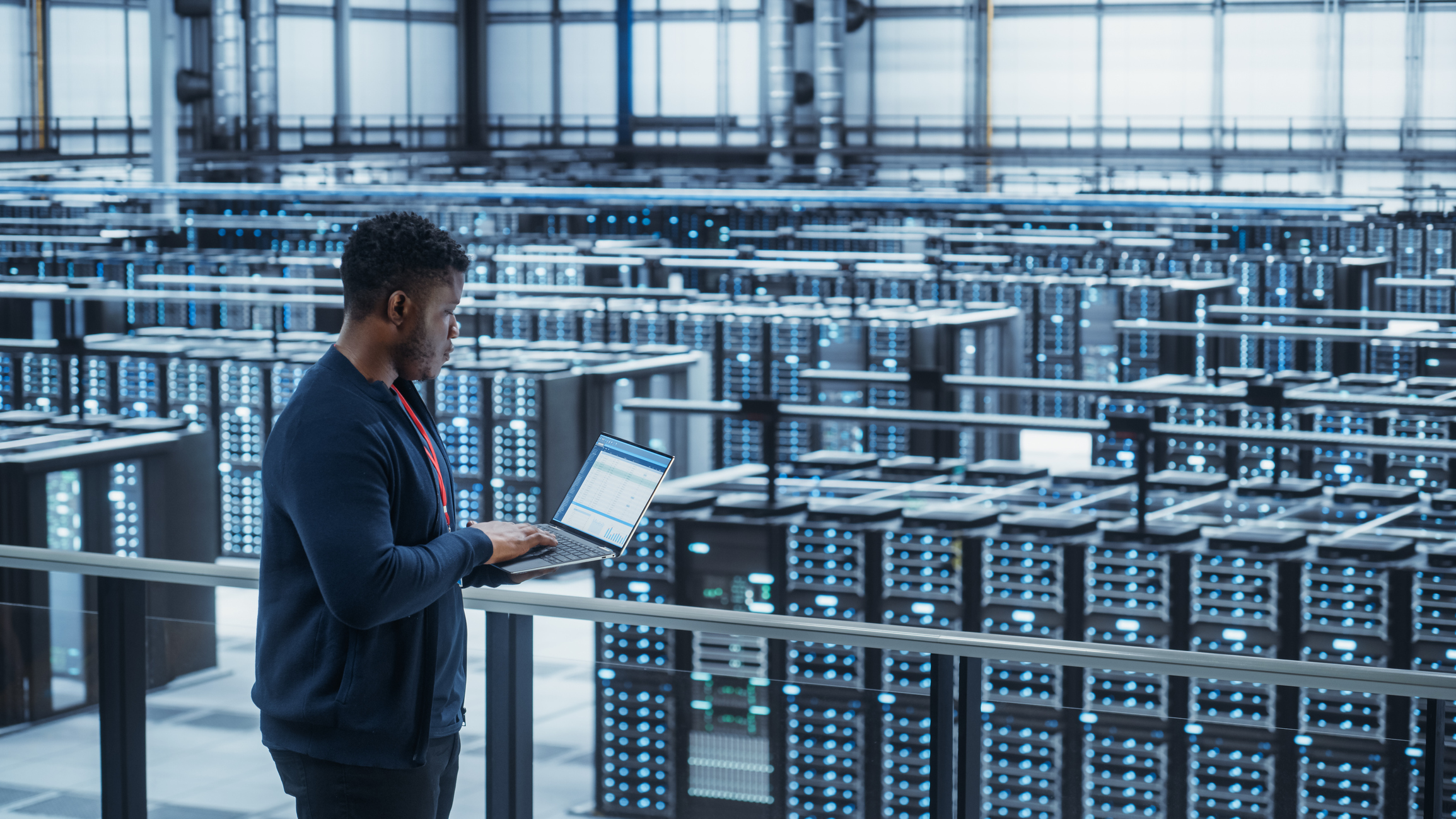
As organizations increasingly rely on AI technology to drive business outcomes, the demand for specialized computing infrastructure has skyrocketed. CoreWeave's position at the intersection of AI computing and cloud services makes it a fascinating case study for understanding how the technology landscape is evolving—particularly in areas like endpoint security, zero trust architectures, and resilient backup and disaster recovery solutions.
The AI Infrastructure Gold Rush
CoreWeave's anticipated growth isn't happening in a vacuum. The company has positioned itself as a specialized provider of GPU-accelerated cloud computing, precisely the type of infrastructure needed to train and deploy large language models and other AI applications. Unlike traditional cloud providers that offer general-purpose computing, CoreWeave focuses specifically on high-performance computing workloads that power today's most advanced AI technology applications.
This specialization matters tremendously for enterprises exploring AI in Microsoft environments, AWS Azure deployments, and other cloud platforms. As companies integrate AI capabilities into their operations—from customer service chatbots to predictive analytics—they need infrastructure that can handle the computational intensity of these workloads. CoreWeave's Nvidia backing gives it privileged access to cutting-edge GPU technology, creating a competitive moat that traditional cloud providers struggle to replicate.
Implications for MSPs and Enterprise Security
For MSP providers and enterprise IT teams, CoreWeave's growth trajectory signals several important trends that demand attention. First, the convergence of AI and cloud infrastructure is creating new security challenges that require sophisticated approaches to endpoint security and network protection. As more sensitive workloads move to specialized AI cloud platforms, the attack surface expands significantly.
The rise of AI-powered infrastructure also amplifies the importance of zero trust security models. Traditional perimeter-based security simply cannot protect distributed AI workloads that span multiple environments and process vast amounts of data. Organizations must implement comprehensive identity verification, continuous monitoring, and least-privilege access controls across their entire technology stack—from Microsoft 365 productivity suites to specialized AI computing environments.
The Ransomware Dimension
Perhaps most critically, the explosive growth of AI infrastructure providers like CoreWeave underscores the catastrophic potential of ransomware attacks targeting these platforms. Imagine the impact if cybercriminals successfully encrypted the AI models, training data, or computing infrastructure that a company depends on for critical business functions. The financial and operational consequences would be devastating.
This threat landscape makes robust backup and disaster recovery strategies absolutely essential. Organizations leveraging AI infrastructure must implement multi-layered protection that includes:
- Immutable backups stored in geographically diverse locations
- Continuous data replication with point-in-time recovery capabilities
- Regular testing of disaster recovery procedures specifically for AI workloads
- Air-gapped backup systems isolated from primary networks
- Comprehensive incident response plans that address AI infrastructure compromise
The Security Operations Center Evolution
The growth of specialized AI infrastructure providers is also transforming how SOC teams operate. Modern security operations centers must now monitor and protect increasingly complex hybrid environments that span traditional on-premises infrastructure, general-purpose cloud platforms like AWS Azure, and specialized AI computing providers like CoreWeave.
This complexity demands advanced AI cybersecurity tools that can process massive volumes of security telemetry, identify subtle patterns indicating potential threats, and respond at machine speed. Ironically, defending AI infrastructure increasingly requires AI-powered security tools—creating a technological arms race between attackers and defenders.
The organizations that will thrive in the AI era aren't just those that adopt AI technology fastest, but those that implement comprehensive security, resilience, and governance frameworks that can scale with their AI ambitions.
Forward-thinking MSP providers are already positioning themselves to help clients navigate this complexity. By developing expertise in securing AI workloads, implementing zero trust architectures across hybrid environments, and ensuring robust disaster recovery capabilities, MSPs can deliver tremendous value to clients pursuing AI transformation initiatives.
Strategic Considerations for Technology Leaders
CoreWeave's projected revenue growth reflects a broader market reality: AI infrastructure is becoming critical business infrastructure. For technology leaders making strategic decisions about cloud platforms, security investments, and resilience planning, several key considerations emerge from this trend.
First, diversification matters. While specialized providers like CoreWeave offer performance advantages for specific workloads, organizations should maintain relationships with multiple cloud providers to avoid vendor lock-in and ensure business continuity. This multi-cloud strategy should extend to security tools, backup solutions, and disaster recovery capabilities—ensuring no single point of failure can compromise critical operations.
Second, the integration between AI platforms and existing enterprise systems requires careful security planning. Whether you're using AI in Microsoft environments, deploying machine learning models on AWS Azure, or leveraging specialized providers, seamless and secure integration with productivity platforms like Microsoft 365 is essential. This integration must be architected with zero trust principles from the ground up, never assuming that traffic between trusted systems is inherently safe.
Building Resilience at Scale
Third, as AI becomes more central to business operations, the standards for backup and disaster recovery must evolve accordingly. Traditional recovery time objectives (RTOs) and recovery point objectives (RPOs) may be inadequate when AI systems drive real-time business decisions. Organizations must invest in infrastructure and processes that can restore AI capabilities rapidly following any disruption—whether caused by ransomware, natural disasters, or platform outages.
Why This Matters
CoreWeave's anticipated revenue growth isn't just a business story—it's a signal about how profoundly AI technology is reshaping the technology landscape. For MSP providers, cybersecurity professionals, and enterprise IT leaders, this shift creates both opportunities and obligations.
The opportunity lies in helping organizations harness AI capabilities safely and effectively. By developing expertise in securing AI workloads, implementing comprehensive zero trust architectures, deploying advanced AI cybersecurity tools, and ensuring robust disaster recovery capabilities, technology professionals can position themselves as indispensable partners in their clients' digital transformation journeys.
The obligation is equally clear: as AI becomes mission-critical infrastructure, the consequences of security failures, data loss, or service disruptions become exponentially more severe. Technology leaders must approach AI adoption with the same rigor they would apply to any critical business system—with comprehensive security controls, tested resilience measures, and clear governance frameworks.
Whether you're managing IT for a small business or overseeing enterprise technology strategy, the lessons from CoreWeave's growth trajectory are unmistakable. The AI revolution is accelerating, specialized infrastructure providers are capturing enormous value, and the organizations that thrive will be those that balance innovation with security, performance with resilience, and ambition with responsibility. Now is the time to ensure your technology foundation—from endpoint security to SOC operations to backup strategies—can support the AI-powered future that's arriving faster than most organizations anticipated.